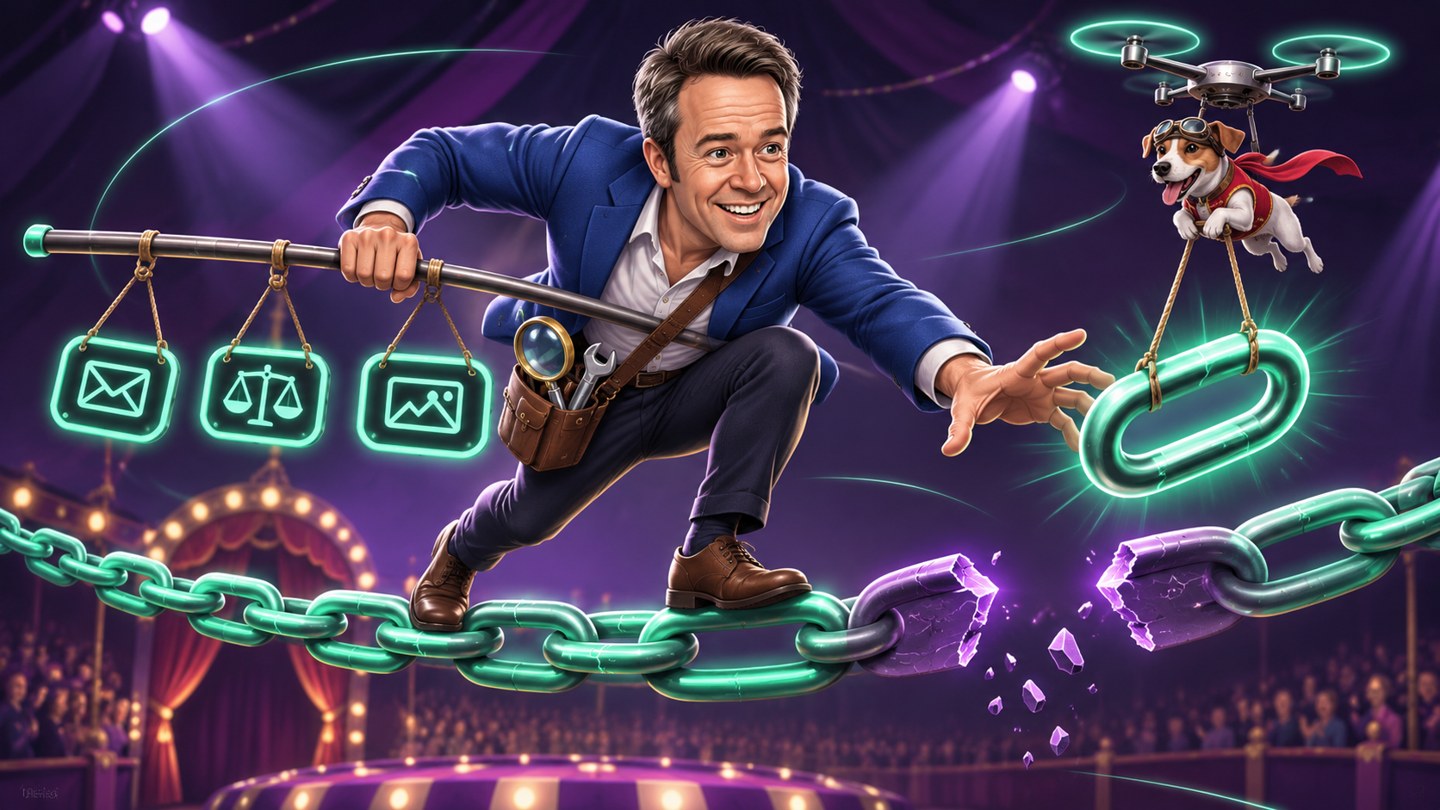
A broken link can interrupt an otherwise useful customer journey. The most important checks start with the links people need to contact you, compare services or see an example of your work.
What to consider
Create a short list of important routes and test them manually. A website checker can help identify more candidates, but review its findings rather than assuming every warning describes the same problem. Check whether the destination moved, disappeared or requires a different address. When replacing a link, choose the page that matches the original intent. Sending every failed link to the homepage may leave the visitor just as confused.
Three things to check
- Test contact and package links first.
- Review the intended destination.
- Retest after making the change.
A practical example
If a portfolio business changes its domain, the old link may no longer show the work. Update the destination and screenshot together so the example remains coherent.
The decision
Treat broken-link checks as maintenance, especially after a redesign or offer update.
Prepared with AI drafting assistance and checked against the stated service information. Examples illustrate a decision; they are not client testimonials or guaranteed results. Commercial terms are dated—confirm current scope and prices before ordering.